Fairness isn't just a campaign phrase; it's a way of life that affects how we spend, vote, and live. People and businesses make decisions every day that affect the economy and society as a whole. If you say "yes for fairness," you support measures that make the distribution of resources more fair. Shopping in a responsible way shows that you care about what you buy. In order to bring about real change, this article examines how fair tax policies and ethical consumerism can cooperate.
What Vote Yes for Fairness Means Today
People who think that economies should work for everyone, not just the wealthy, use the term "Vote Yes for Fairness" as a rallying cry. It shows a dedication to policies that lessen injustice and give everyone an equal chance to get ahead.
Movements for fairness have their roots in civil rights, worker rights, and customer rights. For many years, campaigners have fought for living wages, progressive taxes, and corporations to be held responsible. Today's supporters of fairness build on this base while also handling new problems like environmental justice and the concentration of wealth.
Voters can make better choices at the polls if they know what "fairness" really means in real life. The movement is based on these ideas:
- Progressive taxes, in which people with higher incomes pay more than people with lower incomes
- Transparency in the way tax money is spent
- Protection of important state services like healthcare and education
- Corporations are responsible for their effects on society and the earth
- Equal access to job possibilities, no matter where you come from
- Small companies and neighborhood economies need help
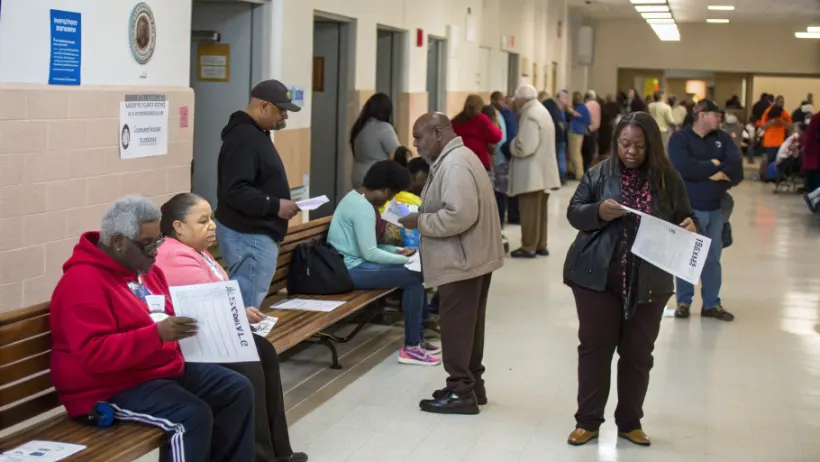
Why Fair Tax Policies Support Equality
It may not seem important, but tax policy has a big impact on society. Who does well and who does poorly depends on how governments collect and spend money. The goal of fair tax policies is to level the playing field without hurting people who do well.
With progressive taxation, tax rates go up as income goes up. A person with low wages pays a smaller amount than a person with a million dollars. This method takes into account the fact that wealthy individuals can contribute more without giving up basic wants. People can figure out how different policies would affect their own lives with the help of tools like the Fair Tax Calculator.
| Level of Income | Tax Rate | Annual Difference |
|---|---|---|
| Less than $30,000 | 12% vs 10% | -$600 |
| $30,000–$75,000 | 22% vs 20% | -$1,100 |
| $75,000–$150,000 | 24% vs 24% | $0 |
| Over $500,000 | 37% vs 42% | +$12,500 |
When tax systems are fair, things get better in neighborhoods. Schools have enough money to run. The infrastructure is kept up. It gets easier to get health care. Because of these investments, places can grow companies and families can build safe lives.
"Fair taxation isn't about punishing rich people; it's about giving everyone the tools they need to succeed. The economy as a whole benefits when we invest in communities."
— Economic Policy Institute
Ethical Consumerism as a Tool for Fairness
In addition to the election box, your wallet is a strong way to vote. When you choose to be an ethical consumer, you pick goods and businesses that share your values about fairness, environment, and human rights.
An ethical consumer looks at more than just price and ease of use. They look into how companies work, their supply lines, and back companies that treat their workers fairly. Just because you're not perfect doesn't mean you should always make the best choice.
You don't have to completely change your life to become an ethical consumer. Over time, small changes that are made regularly have a big effect:
- Before making big purchases, use Good On You or B Corp listings to learn more about the brands
- When quality and price are about the same, choose neighborhood businesses
- When you buy coffee, chocolate, or clothes, look for ones that are certified fair trade
- Instead of just getting "ethical" versions, cut down on your total usage
- Help businesses whose source lines are clear
- Before you buy new, think about used choices
- Ask companies directly about how they treat workers and the world
How to Be an Ethical Consumer in Everyday Life
Putting ideas into practice is a different thing. Making moral decisions a part of daily life takes planning, but it gets easier over time. When you choose to Vote Yes for Fairness when you shop, you join millions of other people who are doing the same thing.
Start with areas where there are lots of moral choices. There are often fair trade options for coffee, tea, and sweets that are priced fairly. When buying clothes, it's helpful to learn about how different brands work. Electronics need more research, but there are ethical choices.
| Type of Product | Thoughts on Ethics | Simple Swap Example |
|---|---|---|
| Coffee | Certification for fair trade | Directly sourced coffee from a local roaster |
| Clothes | Work practices | Used names or B Corp ones |
| Banking | Rules for investments | Credit union or ethical bank |
| Buying food | Getting things locally | The co-op or the farmers market |
The most common thing that stops people from ethical consumerism is a lack of money. But buying better with less often costs the same in the long run. Putting quality over quantity cuts down on waste and encourages better habits. Researching becomes easier as you do it more often and get to know trusted brands.
"You don't have to be perfect to be an ethical consumer. Every better option moves the market demand in the direction of fairness."
— Consumers' Rights Network
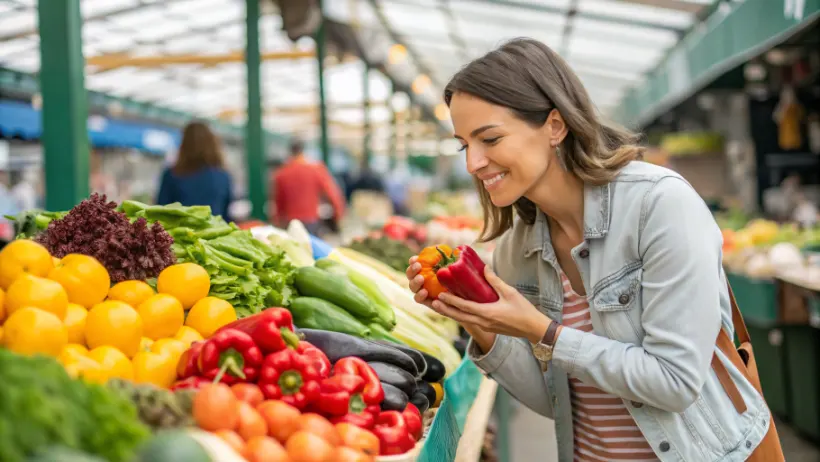
How Your Vote and Consumer Choices Create Real Impact
Compared to huge economic systems, individual actions might seem insignificant. Still, action as a whole leads to change. Markets and governments act when enough people choose fair goods and vote for fair policies.
Think about growing coffee. Fair trade was a small market many years ago. It became a popular choice because people wanted it, and it has made the lives of millions of farmers better. Changes like these are happening in technology, clothes, and business. These moves are affected by the choices you make.
Voting and ethical consumerism are not two different things to do; they go hand in hand and show the same beliefs. Politicians react to what their constituents want. Companies do what customers want. By lining up your budget and your vote, you can make a bigger difference in making society more fair.
Read more: Boycotts and Ethical Consumerism
Frequently Asked Questions
What does Vote Yes for Fairness mean?
Vote Yes for Fairness is a rallying cry for people who believe economies should work for everyone. It represents support for policies that reduce inequality, promote progressive taxation, and give all citizens equal opportunities to succeed.
How does ethical consumerism promote fairness?
Ethical consumerism promotes fairness by directing purchasing power toward businesses that treat workers fairly, maintain transparent supply chains, and prioritize environmental responsibility. When consumers choose ethical products, they create market demand that encourages more companies to adopt fair practices.
What is progressive taxation and why does it matter?
Progressive taxation is a system where tax rates increase as income increases. This matters because it ensures wealthy individuals contribute more to public services without placing undue burden on lower-income citizens, helping to fund education, healthcare, and infrastructure for all communities.
How can I become an ethical consumer on a limited budget?
You can practice ethical consumerism on a budget by buying less but choosing higher quality items, shopping secondhand, supporting local businesses, and prioritizing fair trade products in categories like coffee and chocolate where prices are competitive. Small consistent changes add up over time.
Do individual consumer choices really make a difference?
Yes, individual choices create collective impact. The growth of fair trade coffee from a niche market to a mainstream option demonstrates how consumer demand drives industry change. When millions of people make ethical choices, markets and governments respond to meet that demand.
